
ADI NUGRAHA PUTRA


© 2024. mySUKSES.MY.ID - by T.Dwiantoro.
All rights reserved.

Pelanggaran UU ITE dalam negri dan luar negri
Contoh salah satu kasus pelanggaran UU ITE dalam negri dan luar negri
Berita PElanggrana UU ITE dalam negri https://www.cnnindonesia.com/nasional/20230914061713-12-998786/polisi-panggil-wulan-guritno-hari-ini-buntut-kasus-promosi-judi-online
Lembaga Pengawasan Pengawalan dan Penegakan Hukum Indonesia (LP3HI) mendesak Bareskrim Polri segera menetapkan Wulan Guritno dan Nikita Mirzani sebagai tersangka di kasus promosi judi online. Perwakilan LP3HI Kurniawan Adi Nugroho mengatakan penyidikan di Bareskrim Polri atas kasus ini sudah terlalu lama dan menggantung.
Bertia pelanggaran UU ITE luar ngeri https://www.justice.gov/opa/pr/united-states-obtains-final-judgment-and-permanent-injunction-against-edward-snowden
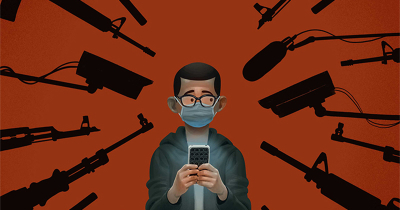
After Deep Throat and Daniel Ellsberg, one of the whistleblowers at the top of American minds is Edward Snowden. In 2013, Snowden revealed the existence of previously classified mass intelligence-gathering surveillance programs run by the U.S. National Security Agency (NSA) and the U.K.’s intelligence organization, Government Communications Headquarters (GCHQ). For this, Snowden was charged with espionage by the U.S. government and, subsequently, fled the country.
Snowden’s exposure of NSA surveillance is a controversial subject; supporters claim he is a hero, while detractors say he is un-American. Snowden himself though is confident about the positive impact of his disclosures. In a 2019 interview with The Guardian, Snowden said, “we live in a better, freer and safe world because of the revelations of mass surveillance.”
However, Snowden still faces U.S. criminal charges for violating the Espionage Act, despite the fact that such a prosecution is unconstitutional. The law is vague and over-broad with a long and sordid history of suppressing legitimate dissent. NWC co-founder and leading whistleblower attorney, Stephen M. Kohn, said of the Espionage Act in a 2010 Guardian article that “[t]here are responsible mechanisms policing truly abusive leaks. The Espionage Act is not such a tool.” With its broad language, the Espionage Act prohibits the publication of information by anyone to be used “to the injury of the United States.” As Kohn asks in that same article: what are the determinants of national security risk and an injury to the United States? Originally designed to prosecute spies bringing military secrets back home, this Act has been used against whistleblowers, not spies, who release information that they believe is in the American interest.